Chipotle Nutrition Menu: What’s Actually in Your Bowl or Burrito
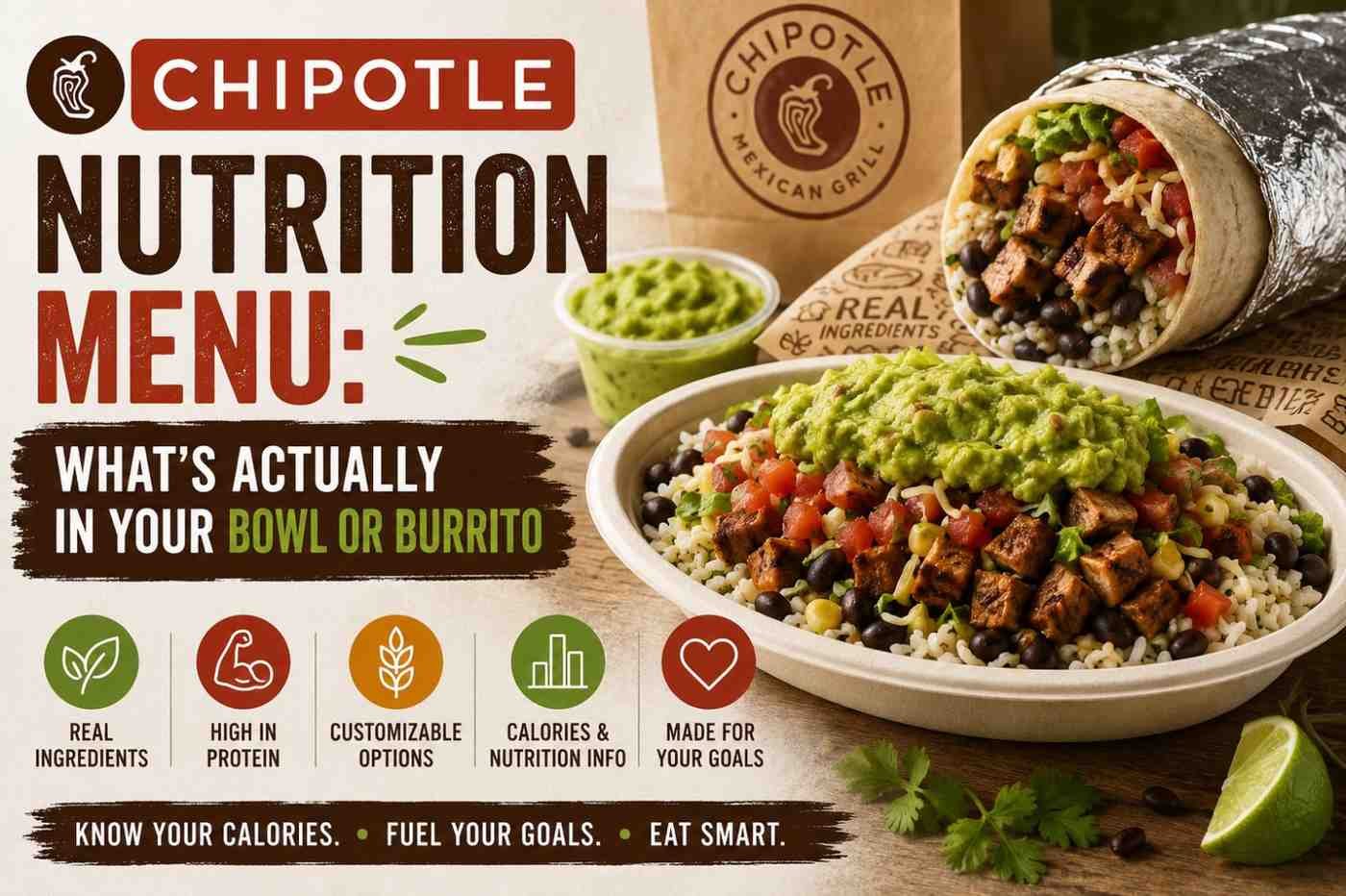
Chipotle Nutrition Menu
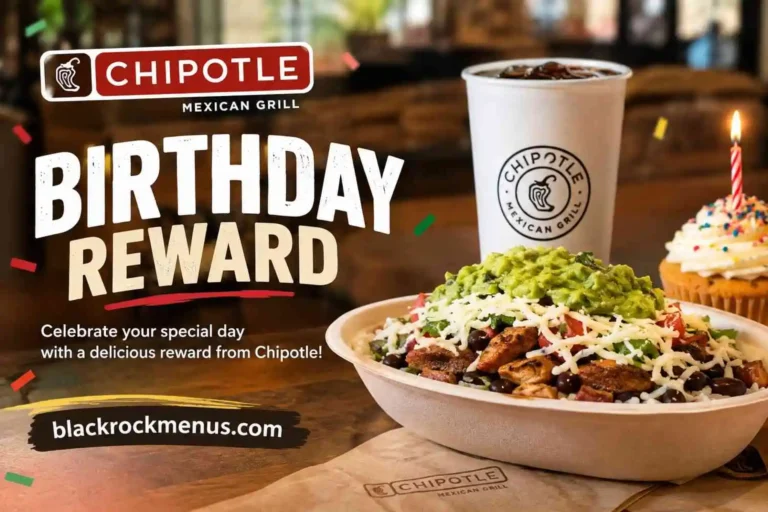
Chipotle built its entire reputation on being able to see your food get made — but “seeing” your meal and actually knowing its nutrition breakdown are two different things. Once you start adding rice, beans, a protein, salsa, cheese, and guac, the calorie and macro count can swing by hundreds of calories depending on what you picked and how much of it landed in your bowl.
This guide walks through how Chipotle’s nutrition numbers actually work, which ingredients matter most, and how to build a meal that fits whatever goal you’re working toward — whether that’s cutting calories, hitting a protein target, or just not walking out with more sodium than you meant to eat in one sitting.
Chipotle Nutrition Calculator
Build your order and see estimated nutrition
Format
Base
Beans
Protein
Salsa
Extra toppings
Estimated total
0 cal
Estimates based on standard published serving sizes. Not affiliated with or endorsed by Chipotle Mexican Grill. Actual restaurant portions may vary by location.
Why Chipotle’s Nutrition Info Is Harder to Pin Down Than It Looks
Most fast food chains sell fixed combos — a Big Mac has one nutrition label, period. Chipotle doesn’t work that way. Every order is assembled from a dozen-plus separate ingredients, and the restaurant’s own published nutrition data reflects that: instead of one number per menu item, you’re looking at a per-ingredient breakdown that you have to add up yourself based on what actually went into your bowl.
That’s exactly why so many people search for a “chipotle nutrition menu” or a “chipotle menu nutrition calculator” instead of just Googling “chipotle calories.” There isn’t a single answer — there’s a range, and the real number depends entirely on your build.
The Format Sets the Floor
Before ingredients even come into play, the format you choose changes the baseline. A burrito starts roughly 300 calories higher than the same order in a bowl, simply because of the flour tortilla wrapped around it. Tacos land somewhere in between depending on whether you go with soft flour, soft corn, or crispy corn shells. A salad, meanwhile, starts at close to zero extra calories beyond whatever protein and toppings you add, since there’s no rice or tortilla baseline to begin with.
If you’re specifically trying to manage total calories, this is the single easiest lever to pull — switching from a burrito to a bowl with identical fillings can save a genuinely significant chunk of your daily calorie budget before you’ve touched a single topping.
Protein Matters More for Macros Than People Expect
Not all Chipotle proteins are created equal when it comes to protein-per-calorie efficiency. Chicken consistently comes out on top — a standard serving delivers a strong protein return for a relatively low calorie cost, which is a big part of why it’s the default pick for anyone building a high-protein bowl.
Steak and barbacoa land in a similar middle range, offering solid protein with moderately more fat than chicken. Chipotle Nutrition Menu Carnitas brings more fat into the mix relative to its protein content, and sofritas — the plant-based, tofu-based option — has noticeably less protein per serving than the meat options, though it’s still a reasonable choice for anyone avoiding animal protein altogether.
None of this makes one protein objectively “better” than another — it depends on what you’re optimizing for. If protein-per-calorie is your priority, chicken wins. If you’re vegetarian or vegan, sofritas is your only plant-based protein option on the menu, and it’s a genuinely well-seasoned one even if the macros are less favorable.
Where the Hidden Calories Actually Live
Most people assume the protein or the rice is where the bulk of the calories come from, but in practice, the toppings people add without thinking are often the bigger factor. Guacamole is the single biggest calorie and fat contributor among the standard toppings, followed by cheese and sour cream, both of which add meaningful calories without adding much volume to the meal.
In Chipotle Nutrition Menu Queso blanco lands in a similar range to cheese, with the added note that it tends to run higher in sodium.
On the lighter end, fajita veggies add almost nothing in terms of calories while contributing real volume and fiber, and the fresh tomato and tomatillo-based salsas are all relatively low-calorie compared to the corn salsa, which carries noticeably more carbohydrate content than the others.
If you’re trying to trim calories without gutting the meal down to something unsatisfying, the toppings — not the protein or the rice — are usually where there’s the most room to cut without really noticing the difference on your plate.
Sodium Is the Number Most People Don’t Check
Calories and protein get most of the attention, but sodium is worth paying closer attention to if you’re managing blood pressure or just trying to eat more mindfully. Between the seasoned rice, seasoned beans, marinated proteins, salsas, and any cheese or queso added on top, a fully loaded bowl or burrito can add up to a meaningful chunk of a full day’s recommended sodium intake in a single meal.
Barbacoa and sofritas in particular tend to run higher in sodium than chicken or steak, and queso blanco is one of the higher-sodium toppings on the list. If you’re still deciding between a bowl, burrito, or tacos, our full breakdown of the build-your-own menu walks through exactly what goes into each one.
If sodium is a specific concern, going lighter on the seasoned bases (rice and beans), choosing a fresh salsa over queso, and being mindful of how much cheese gets added are the most effective ways to bring the total down without changing the entire structure of your order.
Building for Specific Goals
If you’re trying to eat high-protein and lower-calorie: Chipotle Nutrition Menu a bowl with chicken or steak, skip or go light on rice, both beans, fajita veggies, and a fresh salsa gets you a strong protein number without the calorie load of a fully loaded burrito.
If you’re eating low-carb or keto-style: skip the rice, beans, and tortilla entirely, stick to a protein, cheese, sour cream, and a small amount of guacamole, and watch out specifically for corn salsa, which carries far more carbohydrate content than the other salsa options.
If you’re vegetarian or vegan: sofritas is the only plant-based protein, and pairing it with fajita veggies, beans, and a fresh salsa builds a genuinely filling, reasonably balanced meal without needing dairy-based toppings.
If you just want something lighter overall: a salad base with a lean protein, salsa, and light on the creamy toppings (cheese, sour cream, queso) keeps the meal well under what a fully loaded bowl or burrito would run.
A Few Things Worth Knowing Before You Order
Chipotle’s published nutrition figures are based on standard serving sizes, but real-world scoops at the counter aren’t always perfectly standardized — a heavier hand with rice or guacamole can add more than you’d expect from the official numbers.
If precision genuinely matters to you (medical dietary tracking, for example), it’s worth treating any calculator, including the one below, as a close estimate rather than a lab-tested figure, and checking Chipotle Nutrition Menu or Chipotle’s own published nutrition data directly for anything where exact accuracy is critical.
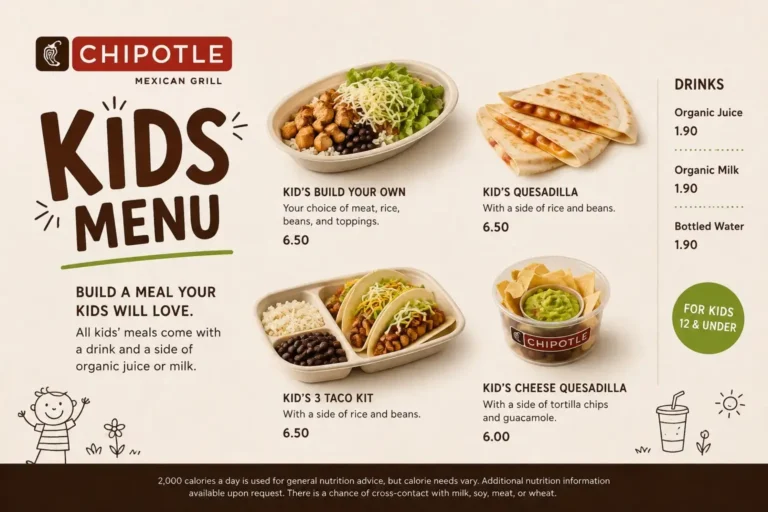
It’s also worth knowing that kids’ meals run on a separate, smaller nutrition profile than the adult menu, generally built around smaller portions of the same core ingredients rather than a completely different recipe. For a full look at current pricing across every format, check out our complete Chipotle menu with prices guide.
Try It Yourself: Chipotle Nutrition Calculator
Instead of doing the math in your head, build your actual order below and see the calorie and macro totals update as you go. This uses standard published serving sizes for each ingredient — treat it as a close, practical estimate rather than an exact lab measurement, since real-world portions can vary slightly by location.